High-Quality Cameras Make a Real Difference
Not all security cameras are created equal. Higher-quality cameras, especially those with higher megapixel (MP) ratings, capture sharper images with more usable detail. This matters when you need to identify a face, read a license plate, or clearly see what happened during an incident. A low-resolution camera might show that “something” happened, while a higher MP camera can show exactly who was involved and what they were doing.
Image quality also impacts how well your cameras perform at night or in low-light conditions. Well-designed cameras with proper sensors and lenses provide clearer nighttime footage and reduce motion blur, glare, and digital noise. This can make the difference between useful evidence and footage that leaves more questions than answers.
Storage Is Just as Important as the Camera
Even the best cameras won’t help much if your footage isn’t stored properly. Having enough hard drive space ensures your system records continuously without overwriting important footage too quickly. Larger storage capacity allows you to look back days or even weeks if you don’t notice an issue right away.
Cloud storage adds another layer of protection and convenience. If a camera or recording device is damaged or stolen, cloud-stored footage can still be accessed securely. Cloud access also allows homeowners to review footage remotely, share clips if needed, and maintain a backup of critical events. A well-designed system balances local storage and cloud storage so your footage is protected no matter what happens on-site.
Camera Placement Matters More Than You Think
Once you’ve chosen quality equipment and proper storage, placement becomes the most critical factor. The placement of your security cameras may even be more important than the specific brand or model you choose.
Tips for the Best Camera Placement
Your security professionals can help ensure your cameras are positioned correctly, but it’s always helpful to understand the basics. Three key tips for effective camera placement include:
Take care of the front door
This may seem obvious, but many homeowners skip the front door in favor of “less obvious” areas around their property. The assumption is that criminals will avoid being seen and choose a more hidden entry point. In reality, many incidents occur at the front door because it looks normal for someone to be there. Protecting your front door should always be one of the first priorities in any home security setup. A properly placed camera should clearly capture faces, not just the tops of heads or blurry motion.
Don’t forget the basement
Basement doors and windows are often overlooked and poorly secured simply because they’re out of sight. Many homeowners don’t spend much time in their basements, which makes these entry points attractive to criminals. Placing cameras at basement entryways helps eliminate blind spots and protects one of the most vulnerable areas of the home.
Use high placement to your advantage
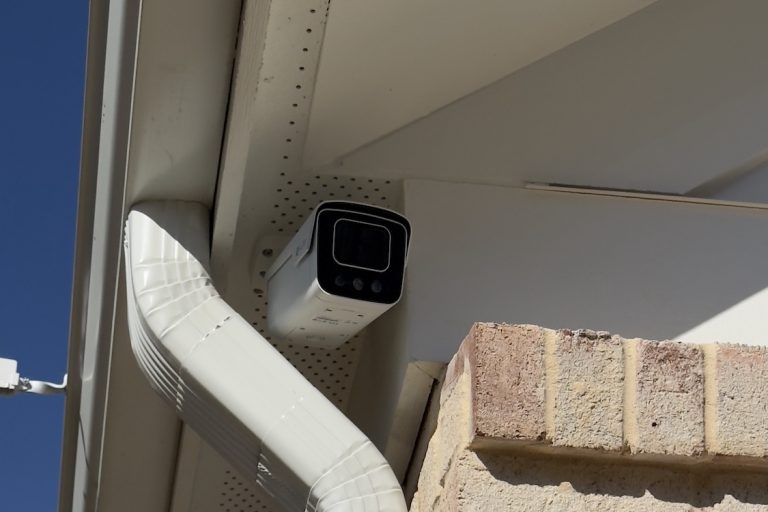
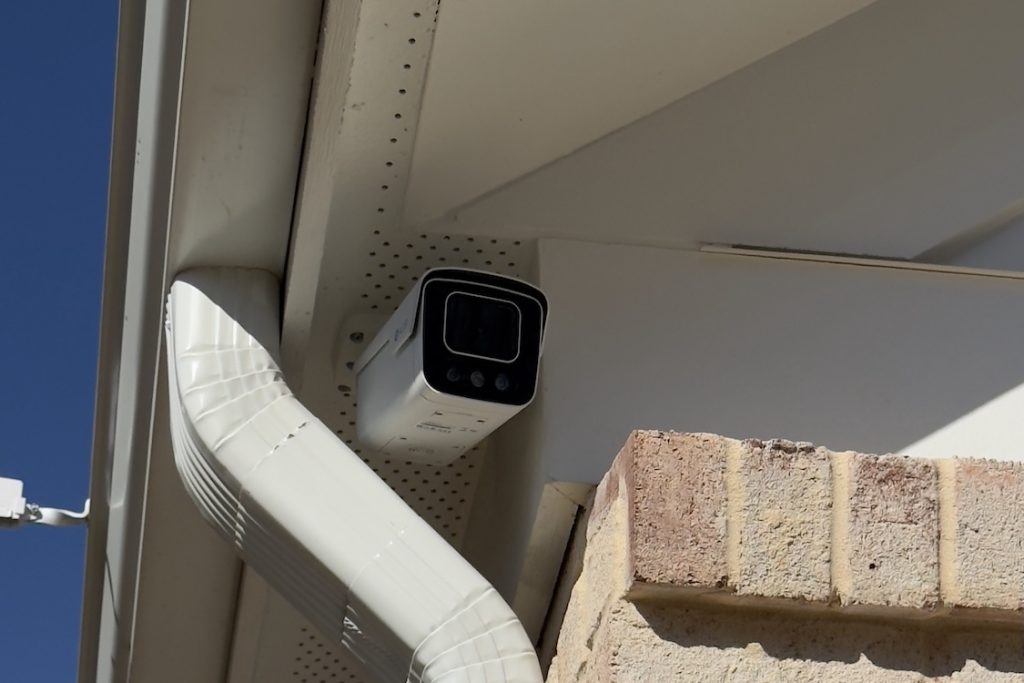
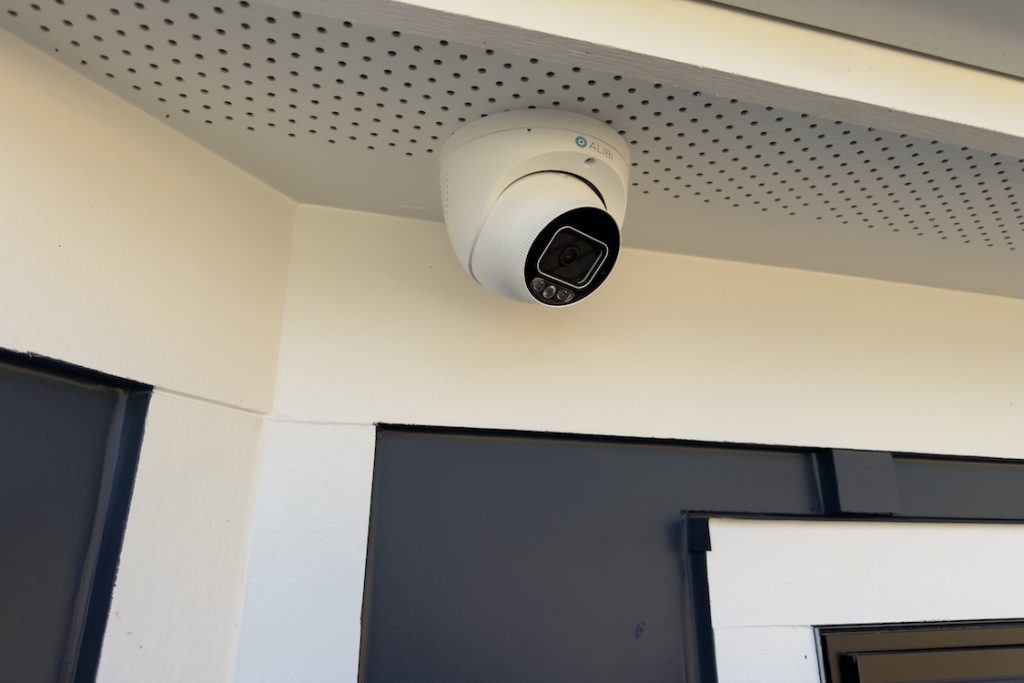
Installing cameras higher up—such as under roof eaves or on second-story corners—gives a wider field of view and makes them harder to tamper with. Cameras installed too low can be blocked, damaged, or repositioned. Higher placement also provides better angles for tracking movement across your property instead of just capturing someone as they walk past.
Why Experience Matters in Camera Placement
Camera placement isn’t just about mounting hardware—it’s about understanding behavior. A background in law enforcement and surveillance brings a unique advantage to designing security systems. Experience observing suspects, reviewing surveillance footage, and understanding how people move through spaces helps ensure cameras are positioned where incidents are most likely to occur.
Instead of guessing where a camera “might look good,” placement is based on real-world scenarios: how someone approaches a home, where they pause, how they avoid detection, and which angles provide usable evidence. This experience helps eliminate blind spots and ensures cameras are positioned for identification, not just observation.